




When it comes to fitness, there is no one-size-fits-all routine. The best exercise for your body type is the one that works with your natural strengths and limitations—not against them. By learning how to adapt movements, you can protect your joints, prevent injury, and create a workout plan that feels good enough to sustain.
In this guide, we’ll explore how to identify the exercise for your body type and build a fitness routine that’s safe, effective, and built to last.
Why the Right Exercise for Your Body Type Matters
Too many people force themselves into workouts that don’t match their bodies — like heavy barbell squats when their hips lack mobility, or long-distance running when their knees can’t handle impact. The result? Pain, frustration, and eventually quitting.
Choosing the right exercise for your body type allows you to:
- Reduce injury risk and protect your joints.
- Maximize your strength and mobility safely.
- Stay consistent with a program you enjoy.
- Build long-term habits that actually stick.
Step 1: Understand Your Body Type and Needs
Before choosing exercises, take time to assess your mobility, fitness level, and injury history. Ask yourself:
- Do I feel pain or restriction with certain movements?
- Am I focused on building strength, endurance, or flexibility?
- Which movements feel natural and energizing versus forced and draining?
This reflection will help you narrow down the most effective exercise for your body type and avoid routines that don’t serve you.
Step 2: Start With the 6 Foundational Movement Patterns
Most workouts are built on six key patterns. Testing variations of each will help you find the exercise for your body type in each category:
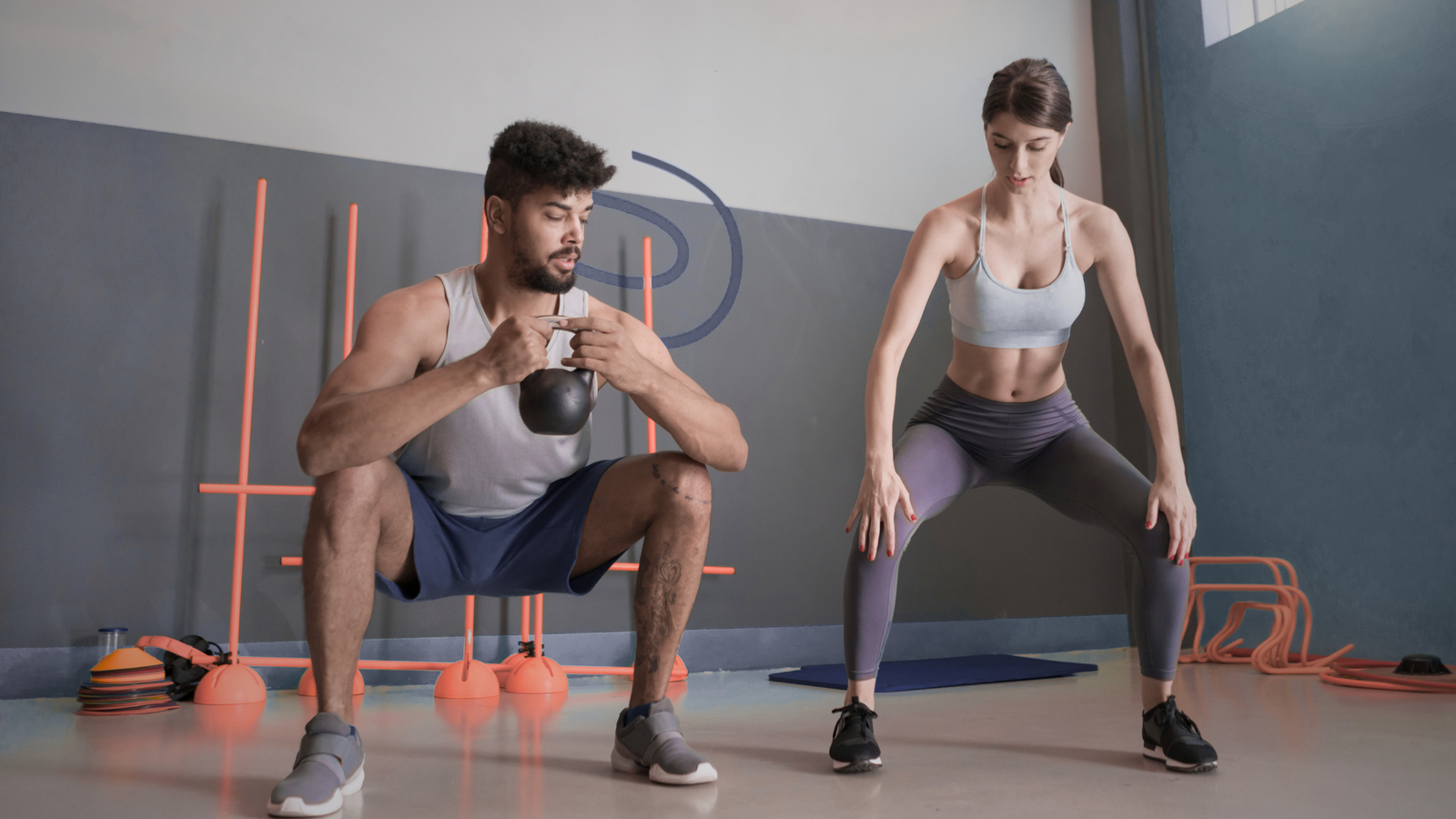
- Squat – bodyweight squats, goblet squats, box squats.
- Hinge – hip bridges, kettlebell swings, deadlifts.
- Push – push-ups, overhead press, bench press.
- Pull – rows, pull-ups, resistance band pulls.
- Carry – farmer’s carry, suitcase carry.
- Rotation/Core – planks, woodchops, anti-rotation holds.
Your body type may favor certain variations over others — and that’s a good thing.
Step 3: Adapt Exercises to Your Body Type
Two people can perform the same move very differently. Here’s how to tailor exercises to your body type:
- Swap high-impact running for cycling or rowing if your joints need less stress.
- Use goblet squats or split squats instead of heavy back squats if hip mobility is limited.
- Add resistance bands when weights feel too demanding.
- Shorten ranges of motion until mobility improves.
The key is choosing the exercise for your body type that challenges you safely.
Step 4: Listen to Your Body’s Feedback
Your body is the best coach you have. Pay attention to:
- Pain: Sharp pain means stop and modify.
- Fatigue: Normal muscle burn is fine, but joint pain is not.
- Energy: The right exercises leave you feeling challenged, not crushed.
This feedback helps you fine-tune your workouts and identify the right exercise for your body type over time.
When you find the right fit, exercise becomes less of a chore and more of a lifestyle. A Fitness Journal can help you track what works for your body type and make adjustments over time.
Step 5: Build a Routine You Can Sustain
Once you know which movements feel best, structure them into a weekly routine. Focus on balance and consistency:
- 2–3 strength training sessions.
- 1–2 cardio workouts that match your joints and energy.
- 1 flexibility or mobility-focused session.
By designing your plan around the best exercise for your body type, you’ll create a routine that feels natural and sustainable.
If you’re unsure where to begin, start simple and expand as you grow. You can also explore our Fitness Programs designed for different ability levels.
Final Thoughts
Fitness isn’t about copying the latest trend or forcing your body into a workout that doesn’t fit. It’s about identifying the best exercise for your body type, adapting it to your needs, and building confidence through movement. When you listen to your body, you’ll discover that sustainable fitness comes naturally.